Edward Allison

Shau Hwai Tan
Shwu Jiau Teoh
Malaysia CAINA Project Team
Aquaculture is at the forefront of global calls to transform food systems to make them healthier, more sustainable and fairer. With rates of diet-related diseases, like diabetes and coronary heart disease, increasing, and our current food system being one of the main contributors to climate change and biodiversity loss, these calls for a ‘sustainability transition’ are growing in urgency. Some pioneer aquatic farmers are responding and seeking ways to make their farms part of the solution, rather than part of the problem.
Words and phrases like “regenerative”, “restorative”, “green”, “nature-based”, “nature-positive”, “climate-smart”, “nutrition-sensitive” and “gender and youth inclusive” are increasingly associated with some types of aquaculture, such as seaweed and bivalve shellfish (oysters, scallops, clams and cockles), which don’t need external feeds.
Aquaculture scientists also propose ‘integrated multitrophic aquaculture' (IMTA) – jargon for growing different aquatic plants and animals together in ways that make efficient use of water and nutrients on the farm and minimize damage to nature surrounding the farms. Finfish and crustacean aquaculture look at ways to reduce the environmental costs of feeds and farmers are exploring ways to increase the efficiency of production to reduce waste, chemical and antibiotic use and enrich their products with nutrients beneficial to human health.
But how many of these ideas and ideals are being put into practice, beyond the experimental and demonstration farms set up by researchers? Are the fine words being turned into worthy deeds by commercial growers? And if so, who are the people shaping the sustainability frontier in aquaculture, and how can they be recognized and supported?
A project in Malaysia is aiming to find out.
From Talk to Action
The Climate-Adaptive, Inclusive, Nature-based Aquaculture (CAINA) project led by WorldFish in partnership with six Malaysian universities, is working in both Malaysia and the Solomon Islands to define what nature-based aquaculture (NBA) actually looks like in practice. Funded by the International Development Research Centre (IDRC) and the Government of Canada, the project is developing clear standards and practical tools to assess the environmental, social, and economic impact of NBA systems.
Through field case studies and farmer engagement, the team is also identifying pathways to scale sustainable aquaculture across Southeast Asia and the Pacific (SEAPAC).
Research teams from WorldFish and partners have been interacting with entrepreneurial farmers, visiting some of their farms, and participating in dialogues alongside entrepreneurs from other countries in the Asia-Pacific.
The aim is to develop a network of entrepreneurial fish farmers and other stakeholders in aquaculture who work together on solutions to sustainability challenges and help lead the region’s aquaculture through a sustainability transition.
In Malaysia, this has meant, rather than just asking them what they grow and what they earn, getting to know the farmers. We wanted to understand their motivations and hear about their successes, frustrations and aspirations. We are inviting them to think with us on how state and federal government, seafood growers, buyers and investors can work with our research partnership to co-create an aquaculture innovation system that is focused on helping Malaysia achieve its commitments to meeting the Sustainable Development Goals.
Supporting the People Behind Sustainable Aquaculture
Tan Sook Chwen, better known as Joey, is the founder of J OCEAN World Aquaculture Sdn. Bhd. and she is one of Malaysia’s most dynamic aquaculture leaders. With a background in business management and entrepreneurship, she has positioned her company at the frontier of eco-conscious marine innovation. In 2025, her efforts were recognized with the Pearl Women Entrepreneurs Award from JCI Penang, which celebrated her visionary leadership, commitment to social impact, and dedication to empowering women in aquaculture. At her site in Batu Maung, Penang, Joey pioneered the cultivation of sea grapes (green caviar), endorsed by the Department of Fisheries, and is developing an integrated multi-trophic aquaculture system that combines finfish, shellfish, and seaweed.
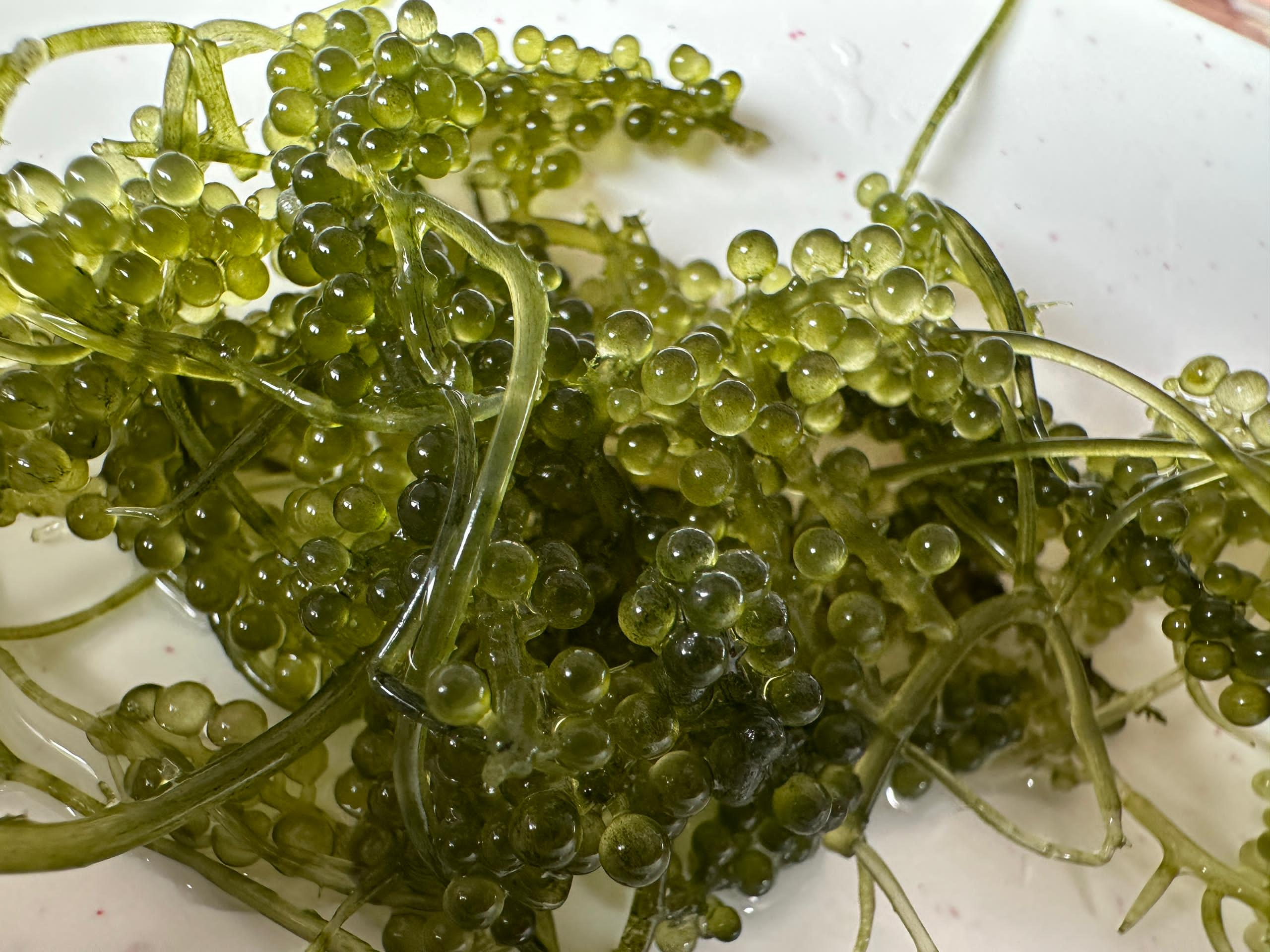
She is passionate about ensuring that her farm contributes positively to biodiversity. During a deoxygenation incident that devastated neighbouring farms, her stock survived - something she attributes to the ecological balance created by the sea grapes. Building on this, she is now expanding into oyster farming, reinforcing her conviction that aquaculture must be nature-positive, biodiversity-friendly, and socially inclusive. Through J OCEAN, Joey is also forging research collaborations and promoting women’s leadership, inspiring a new generation of aquapreneurs to embrace sustainability.
In Langkawi, another story of transformation has emerged from the mangrove estuary of Kubang Badak, where the Langkawi Oyster Farm has become both a livelihood lifeline and a tourist attraction. When the COVID-19 pandemic struck and a fire later destroyed the hotel where they worked, five men - Mohd Azrulfaizal bin Mokhtar, Fakhrudin bin Abd Rahim, Najuddin bin Mohd Shahir, Mohd Razi bin Ahmad, and Rosmaini bin Mohd Saad - were suddenly left without jobs.
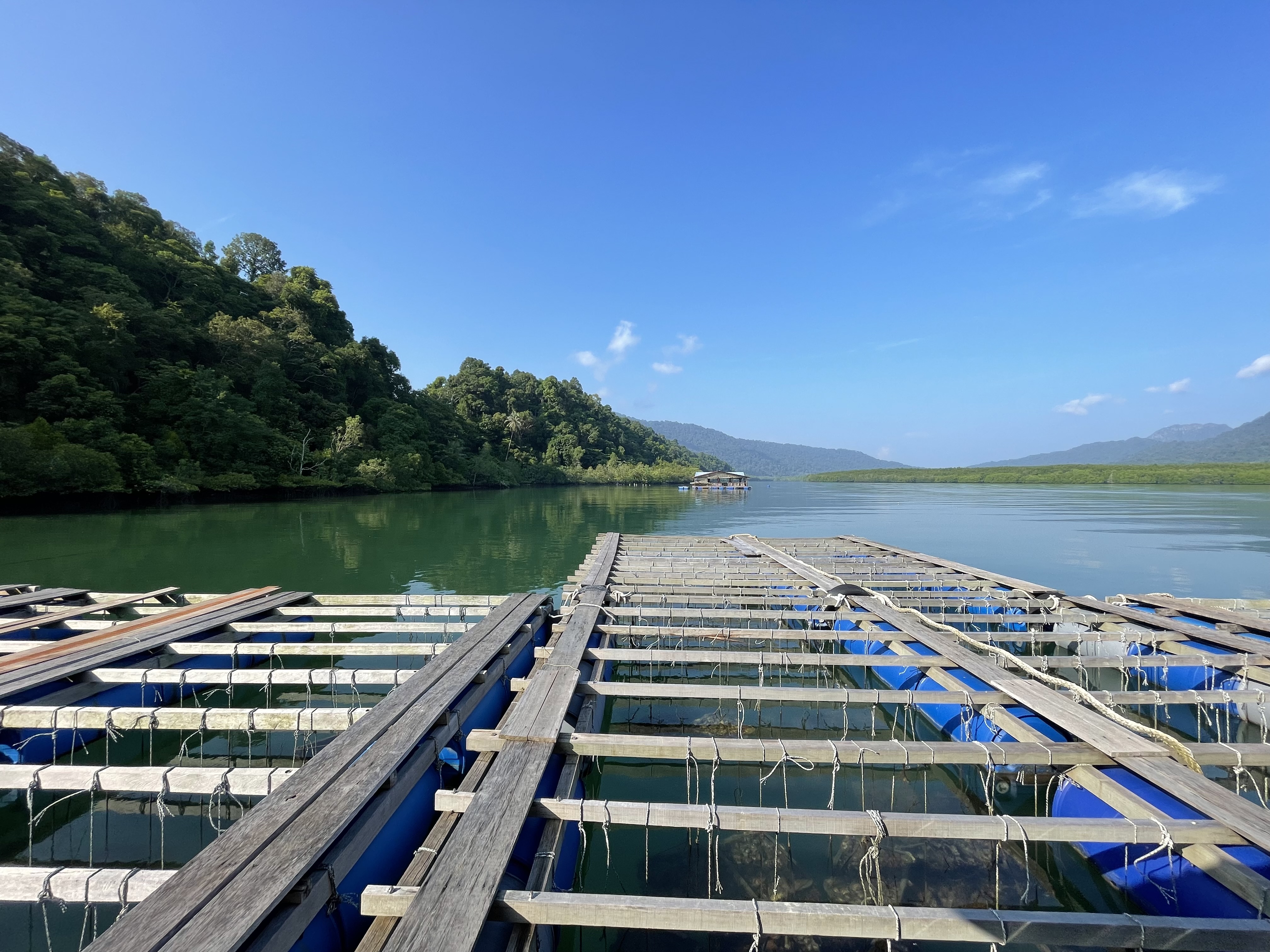
In 2022, with support from a Social Entrepreneurship Grant from the Ministry of Higher Education and technical guidance from the Centre for Marine & Coastal Studies (CEMACS), Universiti Sains Malaysia, they retrained as aquapreneurs and established a floating oyster farm in the mangroves. What began as an economic recovery initiative has since grown into a micro-enterprise that supplies oysters to hotels and restaurants while also welcoming visitors along the Kubang Badak BioGeo Trail. Tourists now combine mangrove boat tours and visits to the ancient Pinang Cave with the experience of tasting oysters fresh from the sea.
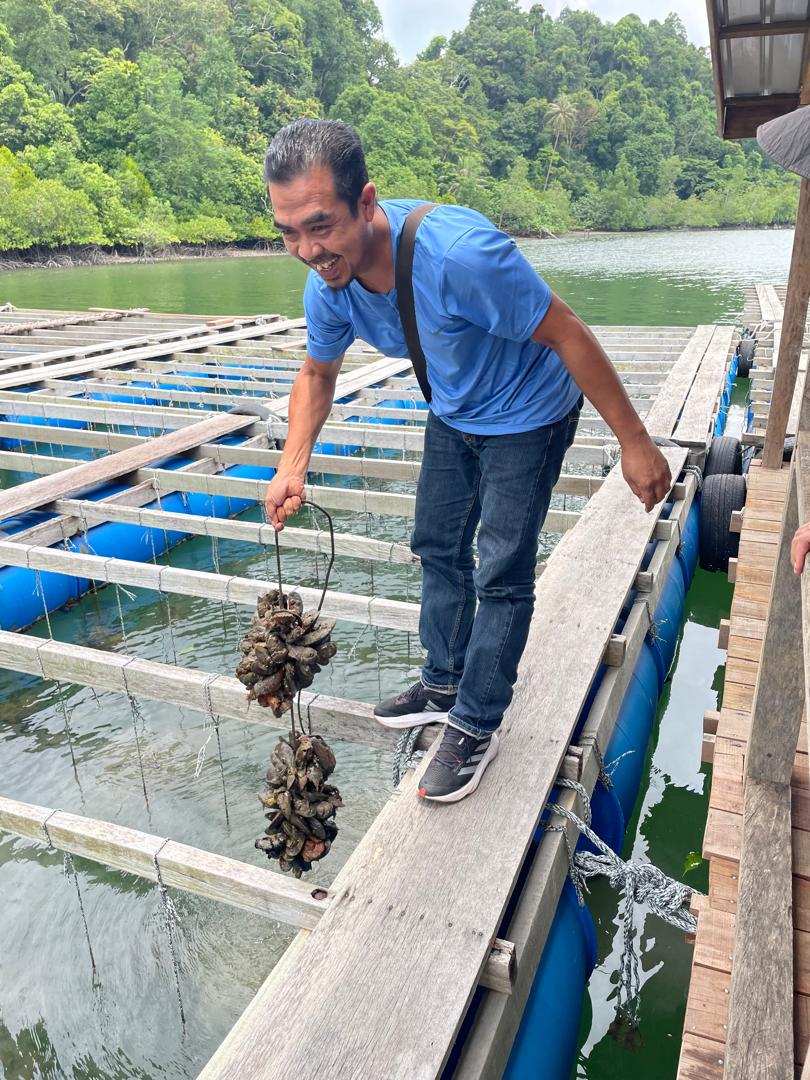
The Langkawi Oyster Farm blends the farmers’ hospitality backgrounds with new technical skills in aquaculture, creating a business that links local livelihoods with ecotourism. The farm also illustrates why oysters are considered a form of green aquaculture: as filter feeders, they require no feed or chemicals and help clean the surrounding water as they grow. With training from CEMACS, the group has learned to manage seed supply, monitor water quality, and maintain healthy stocks. The result is not only premium seafood but also an experience that connects visitors to coastal conservation and community resilience.
Together, Joey’s high-tech innovations in Penang and the Langkawi Oyster Farm’s grassroots enterprise represent two complementary faces of Malaysia’s aquaculture transformation. Both stories are living examples of Nature- and People-Positive Aquaculture (NaPPA), the framework being developed under the CAINA project to guide aquaculture systems toward being climate-smart, nature-positive, socially inclusive, and nutritionally valuable. They show that aquaculture is not just about producing food - it is also about rebuilding lives, inspiring innovation, and shaping a sustainable future where Malaysian aquapreneurs lead the way in building safer, greener, and fairer food systems.
In addition to Joey and the Langkawi oyster farmers, the aquapreneurs we have talked with so far include: community-based seaweed, oyster and mussel, and cage finfish farmers in Sabah and Langkawi; the manager of a fish hatchery in Terengganu who is integrating his operations with mangrove forest conservation; the CEO of a Penang-based company that sells soft-shell crabs, and the director of a producer organization representing Malaysia’s aquaculture sector. Their sustainability ideas and practices are all different but they all have two things in common: they want to see their businesses thriving and growing and they want to see their industry making a positive contribution to Malaysia’s environment and society.
Through engagements with these aquapreneurs representing Malaysia’s diverse ethnic and religious communities as well as different roles within the aquaculture innovation system, the team has gained valuable insights into what is needed to develop biodiversity conservation and climate adaptation strategies in aquaculture that are economically viable and socially inclusive.
Supporting Malaysia’s Aquaculture Sector to Innovate for Sustainability
The CAINA project is not only aiming to identify and celebrate our Malaysian aquaculture entrepreneurs, it is also designed to assist the government of Malaysia to support sustainable aquaculture growth that is gender equitable and socially inclusive (GESI). Through ongoing engagements with the Department of Fisheries and the private sector, the project seeks to explore how public and private investors can be effectively aligned to drive the aquaculture sector toward greater sustainability and profitability.
In order to do this effectively, the project team have spent the last year developing ways of identifying and measuring contributions of different aquaculture systems to what they are calling “Nature- and People-Positive Aquaculture” (NaPPA). The team are currently working with farmers and other aquaculture stakeholders to develop and refine a simple method for assessing and monitoring different aquaculture systems, to see how well they are doing, and how well they could be doing, at being climate-smart, nature-positive, economically efficient, socially inclusive, and nutritionally valuable.
By bringing together this “aquaculture systems science” and the innovative capacity of Malaysia’s aquaculture stakeholders, the project is helping to position Malaysia’s aquaculture sector at the forefront of a global transition to a safer, greener, fairer aquaculture sector – one that will grow and thrive in a changing climate and provide affordable, diverse and nutritious foods to all who need them for a healthy diet.
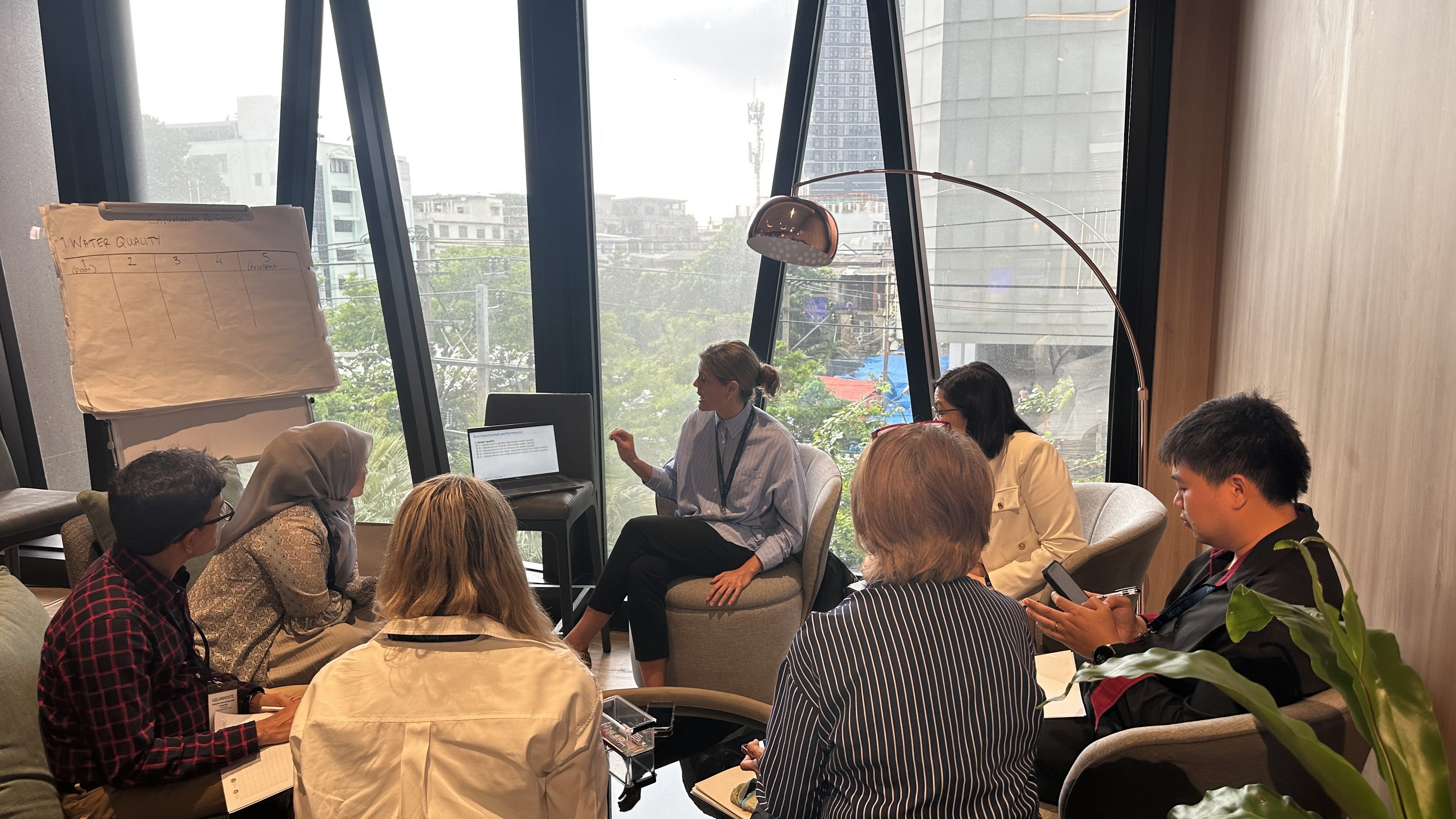
The CAINA team also contributed to Aqua-Innovate in Bangkok, where innovators applied CAINA’s framework to assess their solutions and pledged to build a regional innovation hub.
These activities are helping to ground the project’s work in real practice, involve entrepreneurial businesses, individuals and communities in innovation, shape clear standards and practical tools to assess the environmental, social and economic impact of nature-based aquaculture, and map out pathways to scale nature and people-positive aquaculture across Southeast Asia and the Pacific.
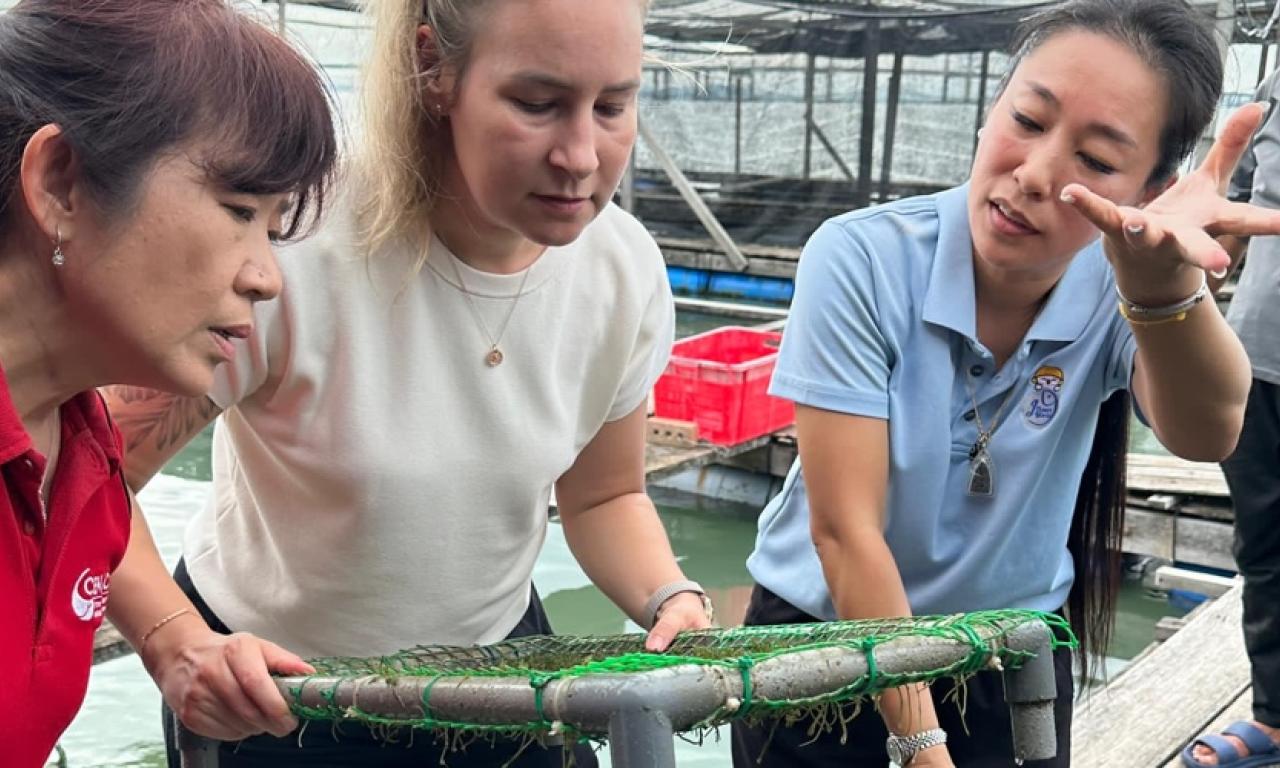
Cover photo: Aquapreneur Joey Tan shares insights into sea grapes cultivation and how it can be sustainably integrated into her aquaculture operations. Photo: Centre for Marine & Coastal Studies (CEMACS), Universiti Sains Malaysia.
Authors and affiliations
Eddie Allison and Shwu Jiau Teoh — WorldFish, Penang, Malaysia
Shau Hwai (Aileen) Tan — Centre for Marine and Coastal Studies, Universiti Sains Malaysia, Penang, Malaysia
Malaysia CAINA Project Team (excluding named authors)
WorldFish: Mariska Bottema, Marleen Schutter, Michelle Tigchelaar, Geh Cheow Mei
Universiti Sains Malaysia (USM): Annette Jaya Ram, Illisriyani Ismail, Sim Yee Kwang
Universiti Malaysia Terengganu (UMT): Yeong Yik Sung, Wong Li Lian
Universiti Malaysia Sabah (UMS): Julian Ransangan, Wahidatul Husna Zuldin
Universiti Kebangsaan Malaysia (UKM): Surendran Rajaratnam, Tina Yap
Universiti Putra Malaysia (UPM): Syahaneem Mohamad Zainalabidin
Universiti Malaya: Lim Phaik Eem