
Ojo Fiyinfoluwa Florence
Osunjimi Oluwasesan Ayobami
Aquaculture is rapidly emerging as a cornerstone for food security and economic empowerment in Nigeria, particularly in the Niger Delta region. However, some persistent challenges continue to hinder its growth, a major one being the limited availability of high-quality fish seed such as Genetically Improved Farmed Tilapia (GIFT) hatcheries in Bayelsa State. WorldFish implemented the CGIAR Scaling for Impact (S4I) program in Bayelsa State, Nigeria, as a broader initiative to boost aquaculture productivity and food security.
Why GIFT Tilapia Matters
Tilapia is a vital source of affordable protein and income for millions of Nigerians. However, traditional hatchery systems often fail to meet the demand for quality seed, leading to poor growth rates and reduced profitability for farmers. The GIFT strain, developed through decades of selective breeding, offers superior growth performance and resilience, making it a game-changer for smallholder farmers.
The Bayelsa Project: A Holistic Approach
The decentralized hatchery model introduced by WorldFish aims to bring seed production closer to farmers, reducing dependency on distant suppliers and ensuring timely access to quality fingerlings. The project began with a rigorous selection process using the GIFT Satellite Hatchery Selection Tool, which evaluates potential hatchery sites based on technical capacity, environmental suitability, market linkages, and sustainability indicators.
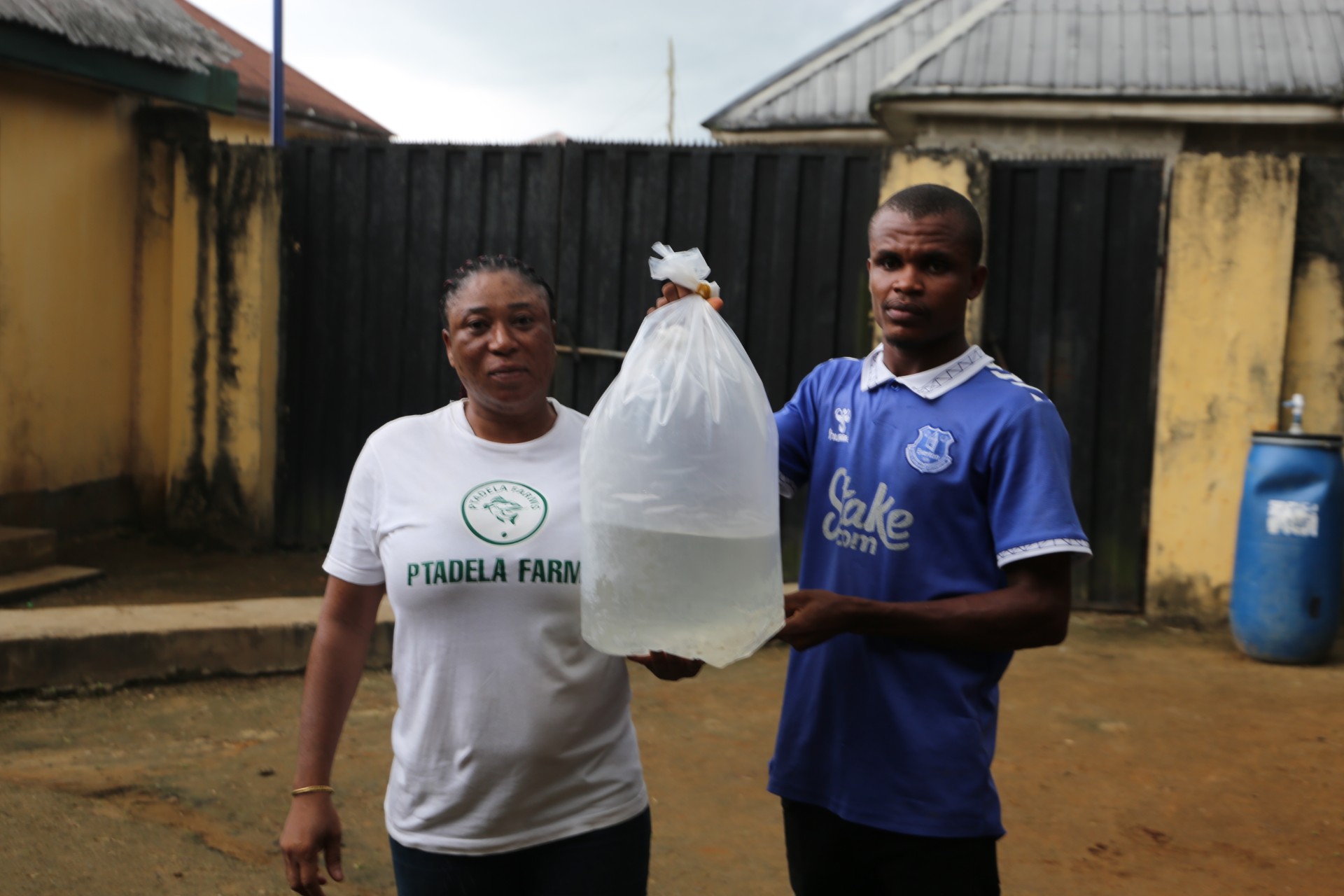
After comprehensive appraisals, Ptadela’s Farm emerged as the most suitable beneficiary. The farm met all structural and operational requirements, including reliable water sources, functional infrastructure, and a commitment to co-invest in facility upgrades. A Memorandum of Agreement (MoA) was signed to formalize roles and responsibilities, ensuring transparency and accountability.
Capacity Building: Training 50 Farmers for Impact
A key component of the project was farmer training. Fifty participants—including 48 farmers, one hatchery operator, and one youth entrepreneur—were selected from a pool of 200 surveyed farmers across Bayelsa State. The training, conducted at Premium Aquaculture Limited (PAL) in Abeokuta, combined classroom instruction with hands-on demonstrations. Topics covered included:
- Hatchery and Grow-Out Management: Techniques for fry handling, pond preparation, and grading
- Feed and Water Quality Management: Best practices for optimizing growth and preventing disease
- Biosecurity Protocols: Measures to safeguard against contamination and outbreaks
- Business Skills and Marketing: Strategies for value addition and profitability
Participants also visited PAL’s hatchery facilities and processing plant, gaining firsthand exposure to commercial-scale operations. This experiential learning reinforced theoretical concepts and inspired farmers to adopt best practices.
Installation and Deployment in Bayelsa
Following the training, WorldFish provided Ptadela’s Farm with essential hatchery inputs, including:
- 250 mixed-sex GIFT tilapia broodstock
- Aerators and air blower systems
- Water testing kits
- Hapa nets and feed ingredients
- Sex-reversal hormones for early fry production
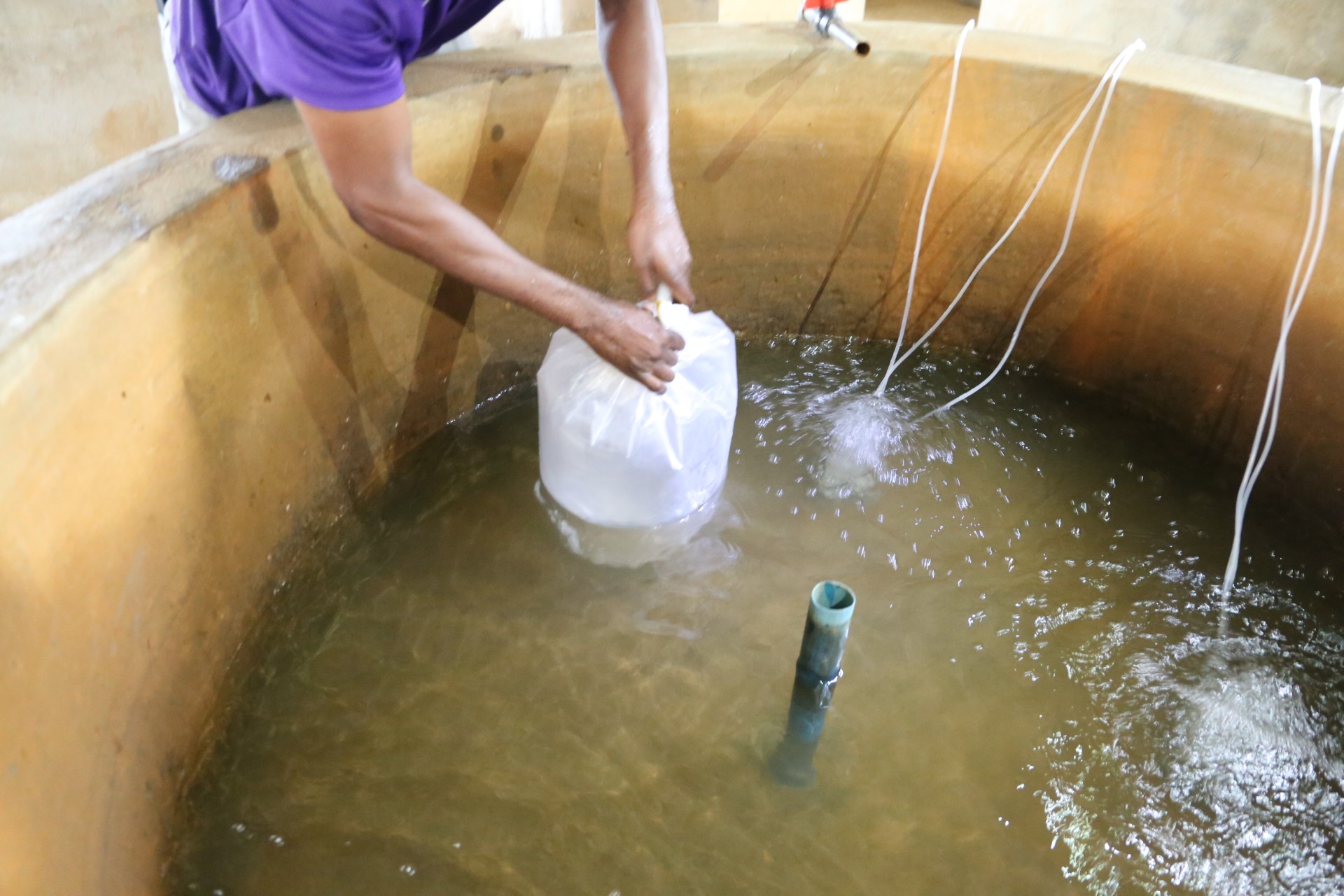
The beneficiary financed installation costs, demonstrating ownership and commitment to sustainability. WorldFish’s technical team supervised the setup, which involved installing aeration systems, acclimating broodstock, and training farm personnel on daily routines such as feeding schedules, water quality monitoring, and record-keeping.
By the end of the mission, the hatchery was fully operational, with broodstock settled and equipment functioning optimally. Mortality during transport was minimal, and initial feeding responses indicated healthy acclimation.
Voices from the Field
Farmers expressed enthusiasm about the training and its practical benefits. Juliet Amakoromo, a hatchery operator from Sagbama, noted:
“I enjoyed the lesson on feed management and water quality. Before, I just fed anyhow, but now I understand how to feed well and check my water.”
Similarly, Sophie Victor Motukalitor, a smallholder farmer from Ogbia, shared:
“What impressed me most was seeing the hatchery and processing unit. I learned how to do it better and also saw how adding value can give us more money when we sell.”
Expected Impact and Next Steps
The establishment of this decentralized hatchery is expected to significantly boost tilapia production in Bayelsa, improving food security and creating income opportunities for local farmers. By strengthening hatchery systems and farmer capacity, the project aligns with CGIAR’s vision of scaling proven innovations for inclusive and sustainable impact.
Looking ahead, WorldFish plans to replicate this model across other aquaculture clusters in Nigeria. Recommendations include translating training manuals into local languages and expanding partnerships to ensure broader adoption of GIFT protocols.
The Bayelsa hatchery project exemplifies how targeted interventions—combining infrastructure, training, and institutional support—can transform aquaculture systems. By empowering farmers with knowledge and resources, WorldFish is not only improving productivity but also fostering resilience and economic growth in the Niger Delta.
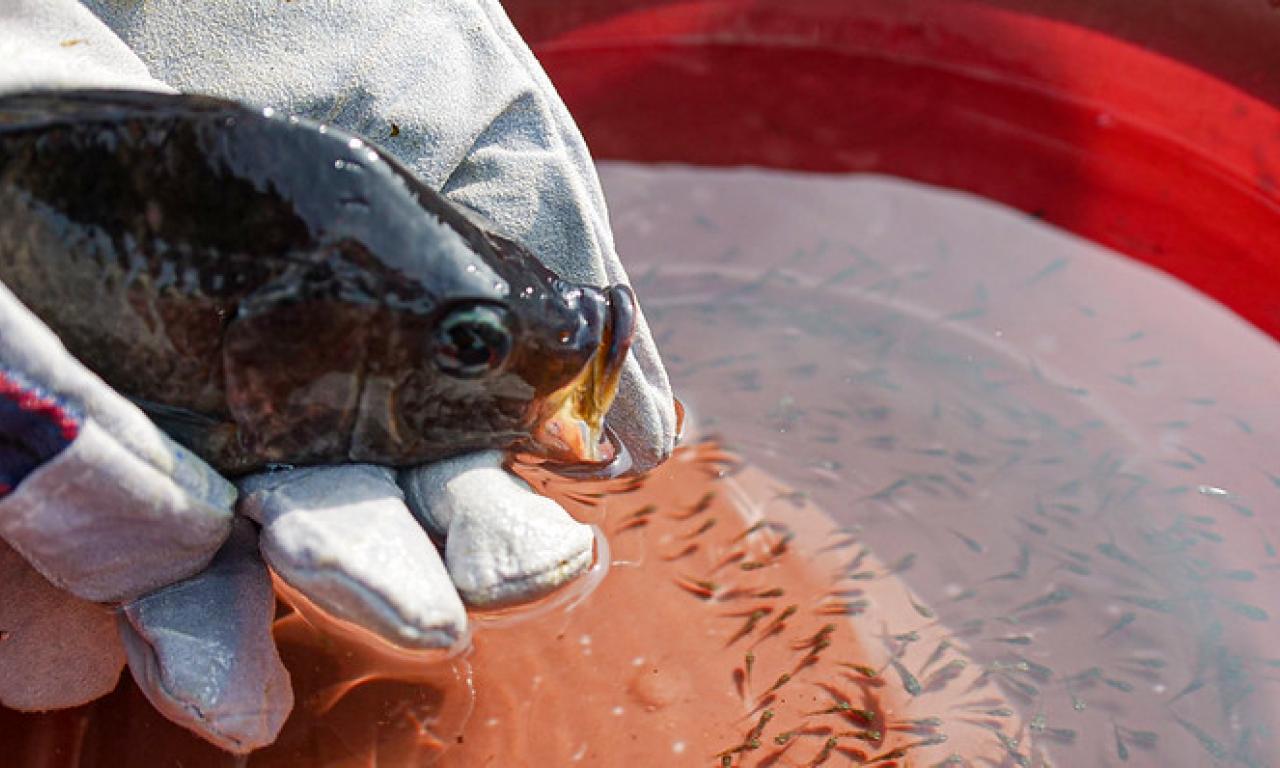
Cover photo: Releasing fry from a mouth brooding tilapia in Nigeria. Photo by Adesanya Omotomiwa/ITA and Olaniyi Ajibola/WorldFish.