Samiul Islam
Bangladesh’s coastal belt is home to rich marine biodiversity and millions of people whose lives are tied to the sea. Yet, 67% of coastal households, particularly women (59.3%) and children (51.2%)—still struggle with food and nutrition insecurity, resulting in a triple burden of malnutrition which includes high rates of undernutrition, overnutrition, and micronutrient deficiency. Despite being surrounded by nutrient-rich aquatic resources, local communities often lack awareness of how to incorporate these foods into their daily diets. Low-extractive mariculture, like seaweed and mussel farming, offers a sustainable solution but struggles to take hold.
From Availability to Adoption
Weak demand and fragile markets confine these superfoods to niche use, discouraging producers and limiting their role in coastal livelihoods. Nutrient-rich foods thrive in the sea, but without awareness, stronger markets and consumer demand, their promise to healthier and resilient communities remains unrealized. AABS works on both approaches by developing context-specific Integrated multi-trophic aquaculture (IMTA) systems and raising nutrition awareness and promotional activities highlighting seaweed and green mussels, both highly nutritious products.
Seaweed as a nutrient powerhouse offers an impressive range of essential micronutrients. It provides 14.8–72 mg of iron, 38.8–72.2 mg of iodine, 410–870 mg of calcium, 134–300 mg of potassium, 420–780 mg of magnesium, and 2.1–3.2 mg of zinc per 100g. Seaweed is also rich in protein (17–30% of dry weight), containing all essential amino acids and beneficial fatty acids. It further contributes to important vitamins including A, D, E, and B-complex, making it a valuable addition to improving dietary quality and combating hidden hunger.
Similarly, green mussels are nutritious, providing protein (13–14g), iron (12 mg), calcium (227 mg), and magnesium (778 mg), making them an excellent addition to a healthy diet, although they remain largely unfamiliar to many people in the country.
Awareness at the Community Level
AABS supported three marine, and 42 pond-based farmers in Cox’s Bazar to pilot IMTA for seaweed and green mussel production. To bridge production with consumption, six trained Community Volunteers brought together 400 coastal women through 140 sessions in 20 Coastal Community Schools (CCS) close to the production sites, each clustering 20 women participants. Over time, every CCS hosted seven sessions, including a cooking demonstration with the 400 selected women.
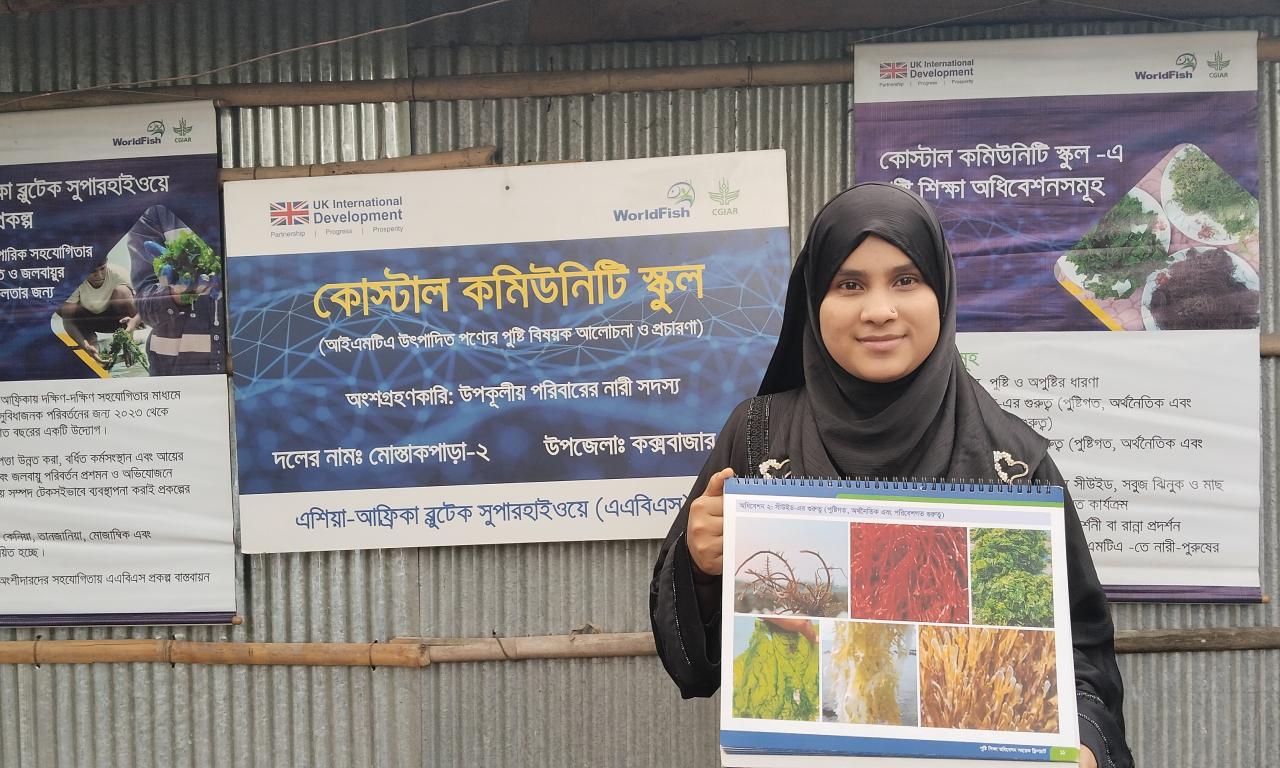
The sessions were facilitated by six Community Volunteers using a nutrition education flipchart and were easy to follow with a booklet given to each participant. These sessions focused on the basics of food, nutrition and balanced diets, the role of vitamins and minerals, and the benefits of nutrient-rich local foods. Special emphasis was given to seaweed and green mussels which are often overlooked foods that are packed with protein and essential micronutrients such as iodine, calcium, iron, phosphorus, and vitamins A, C, E, and, B-complex.
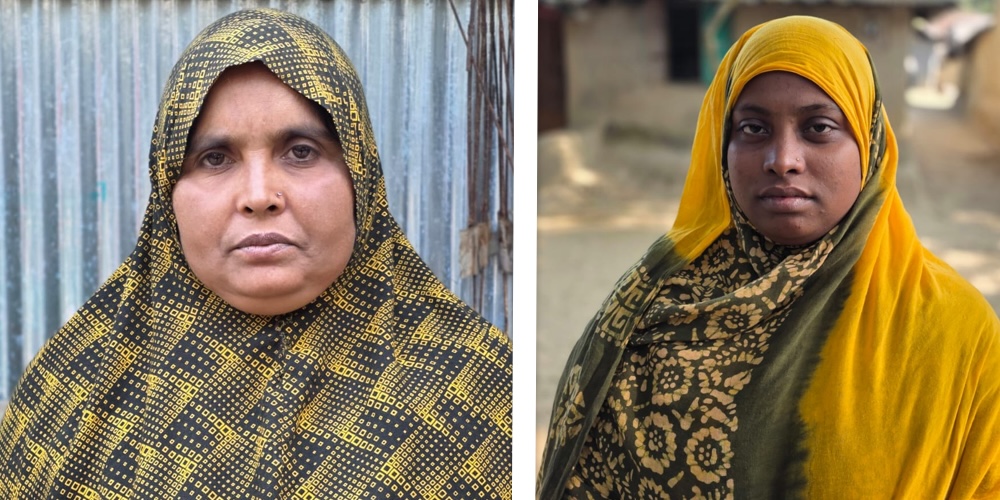
Amena Begum from Mostakpara reflected,
“Through the CCS class, I learned about the nutritional value and use of seaweed and green mussels. I now feel confident preparing them at home and eat them with other dishes, and I am consuming them regularly as healthy food.”
Cooking Together, Learning Together
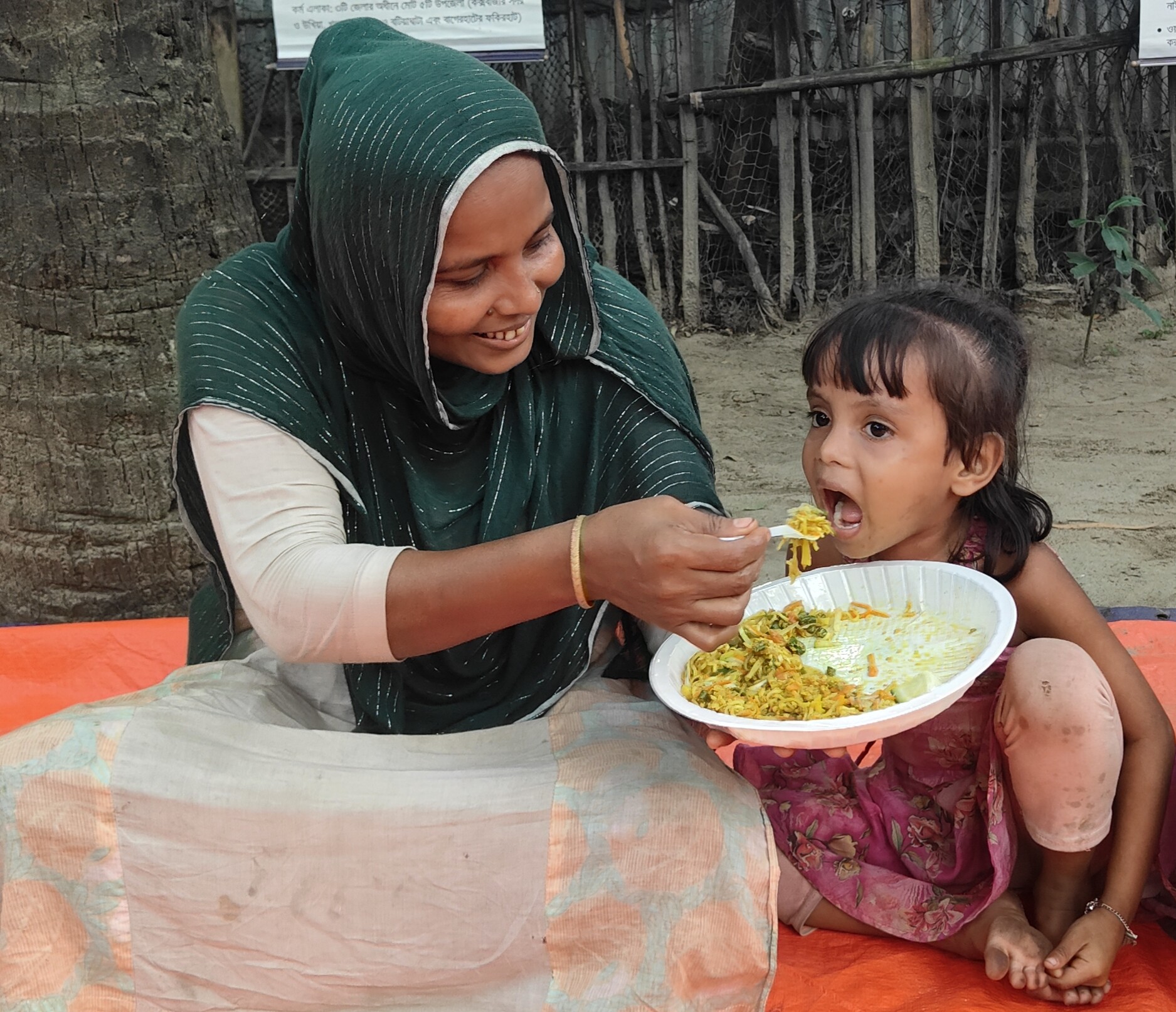
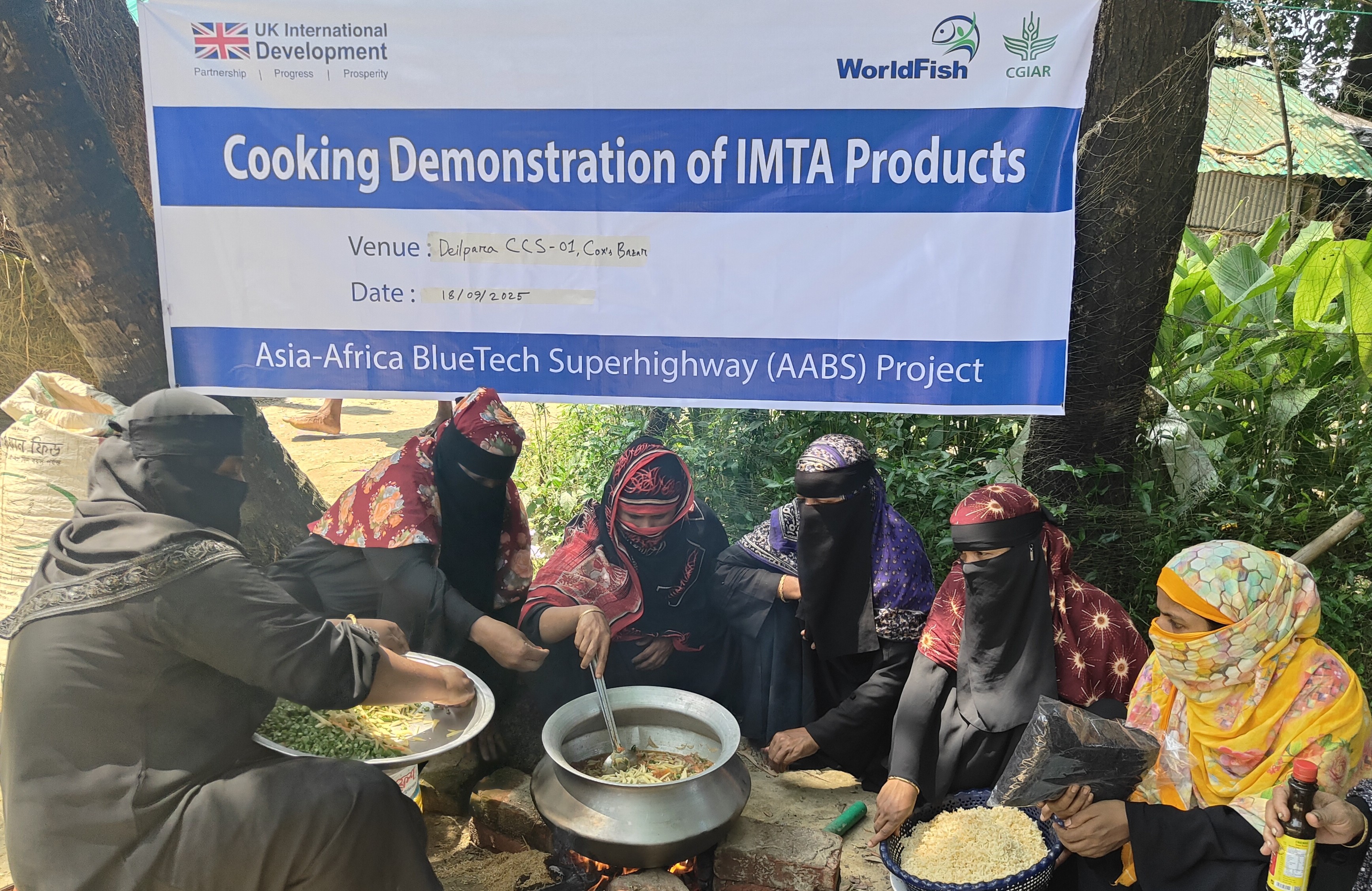
To support this learning, each CCS hosted a participatory cooking demonstration. Women, guided by volunteers, prepared simple and tasty dishes using seaweed and green mussels. By cooking and tasting together, participants learned how these foods can be easily included in daily meals.
Fatema Begum from Deilpara village shared,
“Before the classes, our community had no knowledge of seaweed or green mussels. Over the past three months we have learned about their benefits and cooking methods. After tasting, even our children enjoyed them, and now people are eager to prepare these foods at home."
Tasmia Sultana Toshika, a Community Volunteer said,
“I feel proud that I facilitated sessions about seaweed and mussels’ nutrition, I have learned a lot and I’m happy to see women in my village excited to try them at home”
Measuring Change
To identify the outcome, a Knowledge, Attitude, and Practice (KAP) survey was conducted before and after the activities. Overall, KAP scores showed significant improvements: seaweed knowledge increased from 30.0 to 74.4, green mussels from 19.3 to 53.8, and general nutrition from 35.6 to 71.3. Most women moved from low to moderate or high awareness, with 80% willing to use seaweed in meals, compared to 25% for mussels. Gender awareness also rose from 55 to 70, indicating greater confidence in participating in IMTA activities and decision-making.
Challenges, Lessons, and the Road Ahead
While the results were positive, some hurdles remained. Green mussels in particular faced resistance, as many women were hesitant to eat them due to taste, cultural habits, and unfamiliarity. Seaweed encountered similar barriers, along with issues like seasonal availability and storage.
These experiences highlighted that nutritional facts alone aren’t enough to change habits. What truly made a difference were taste trials and participatory cooking demonstrations, which built confidence and trust. Linking seaweed and mussel use with income can make efforts more fruitful, showing how nutrition and livelihoods can go hand in hand. Looking ahead, local champions, along with partnerships with markets and food vendors, can normalize these foods at home and expand their acceptance across communities.
A Small Step with Big Potential
The AABS project’s work with 400 women in Cox’s Bazar shows how connecting coastal farming with nutrition awareness can transform diets. By promoting seaweed and green mussel farming alongside practical nutrition education, women are learning to value these local superfoods both on their plates and as sources of income.
With continued awareness and market support, seaweed and mussel farming can grow from niche practices into mainstream solutions that nourish families, empower women, and strengthening the resilience of coastal communities.
Cover photo: Tasmia Sultana Toshika, a Community Volunteer with flipchart in front of coastal community school. Photo: lias Ebne Kabir/WorldFish.