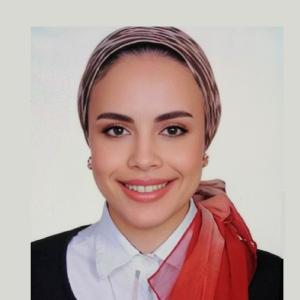
Menna Mosbah
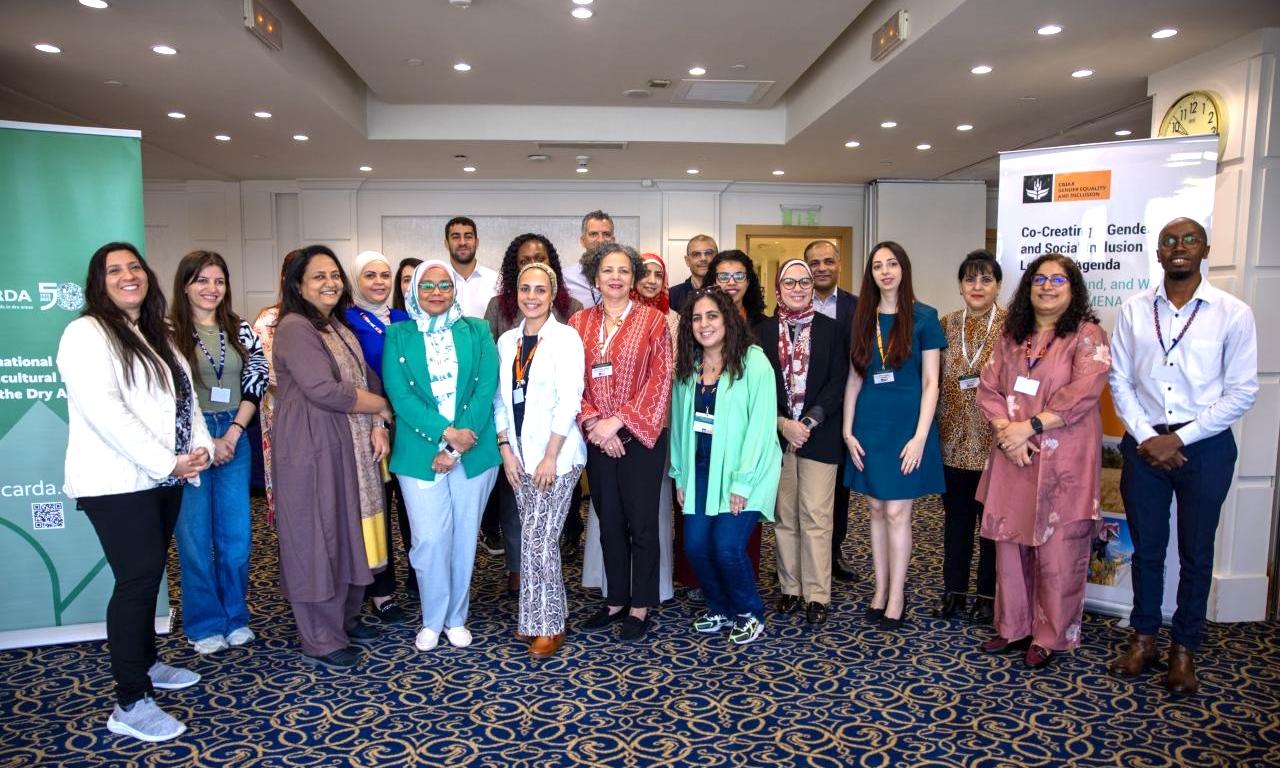
Governments across the Middle East and North Africa (MENA) are updating agricultural, fisheries and climate strategies to better support local communities working in food, land and water systems. Recent commitments in Egypt, Jordan, and Morocco point to growing attention on women’s access to services, technology and extension support. Against this backdrop, a workshop held in Cairo has brought scientists and development partners together to align these policy shifts with evidence and build a clear agenda for action. The discussion comes as the United Nations prepares to launch the International Year of the Woman Farmer in 2026, adding momentum to regional efforts to close long-standing gender gaps in food and climate policy.
The two-day workshop ‘Co-Creating a Gender and Social Inclusion Learning Agenda for Food, Land and Water Systems in the MENA Region’ was hosted by the CGIAR Gender and Social Inclusion Accelerator and partners including WorldFish, the International Rice Research Institute (IRRI), the International Center for Agricultural Research in the Dry Areas (ICARDA), and the International Water Management Institute (IWMI). The event marked the first major effort to align the region’s new policy changes with evidence.
The aim was to translate socio-economic commitments into tangible impact for small-scale farmers and their communities. With a priority to translate research-based evidence into a concrete roadmap for action, ensuring that future green and blue investments and policies are both equitable and climate-resilient.
“The MENA region is at a crossroads as climate change is intensifying water scarcity, heatwaves, and degrading farming environments rapidly. Women farmers who are at the frontlines have become active agents and leaders of adaptation, managing livestock, crops and fisheries. Yet their contributions are systematically undervalued and they do not get the policy support they need and deserve. This workshop is about moving from diagnosis to co-creating an agenda for developing solutions that lead to an equitable share of power and resources,” said Ranjitha Puskur, Principal Scientist and Lead for Evidence at the CGIAR Gender and Social Inclusion Accelerator.
The comprehensive evidence shows a clear disconnect between women’s capabilities and their opportunities, but new research also points to solutions. “The workshop evidence review reveals both progress and persistent challenges, while women’s participation in agricultural labor is increasing—exceeding 50% of the workforce in several countries—a significant gender paradox persists in the MENA Region,” said Dina Najjar, Senior Gender Scientist, ICARDA who led the evidence review.
Women’s educational attainment has advanced, yet their access to decent work, productive assets, and decision-making power remains disproportionately low. The workshop dissected this paradox against recent policy developments. In Egypt, where agriculture employs approximately 19% of the population, a stark gender asset gap persists with women representing a mere 5.72% of landholders.
“While Egypt’s Vision 2030 and Climate Change Strategy 2050 offer a broad framework, gender integration in extension services remains limited. However, targeted initiatives like WorldFish’s Empowering Women Fish Retailers in Egypt (EWFIRE) project provided a successful model—by creating over 400 jobs for women by combining collective entrepreneurship with digital tools in the aquaculture sector,” said Menna Mosbah, Gender Specialist and Communications Representative, WorldFish, Egypt.
Jordan’s new National Extension Services Plan 2024–2030 aims to recruit 58% female extension agents and leverage digital tools, a significant step confirmed by evidence that gender-balanced governance in cooperatives leads to higher empowerment for women. Meanwhile, Morocco is a leader in policy innovation with its Green Generation Strategy 2020–2030. However, field studies reveal a persistent implementation gap, where women remain excluded from formal water decision-making bodies despite their crucial, informal roles.
The workshop discussions pointed to structural barriers—such as discriminatory inheritance laws and the classification of women as 'housewives' instead of farmers—that prevent access to credit, subsidies, and extension services.
“The data is clear, you cannot have climate-resilient food systems without gender equality, women’s invisibility in aquaculture and fisheries is a direct threat to food security, our efforts are critical for aligning investments with the reality that women are not just victims of climate change. They are the cornerstone of sustainable adaptation,” said Rahma Adam, Gender Impact Lead Scientist at WorldFish.
About the CGIAR Gender Equality and Inclusion Accelerator: The accelerator is working to put equality and inclusion at the heart of food systems research and development. It leads strategic and innovative research that advances gender equality, opportunities for youth, and social inclusion across CGIAR's Food, Land and Water Systems portfolio.